🥬 Lettuce in the Library?? Let’s Investigate!
Sounds like the title of a children’s book, right?
💭 Imagine this: you’re a teacher, on lunchroom duty, listening to a group of kindergarteners talk over their lunch. One child says to another, “I like salad now, because we had lettuce in the library!” The other kids agree, but you’re left slightly confused as to what that means. Deciding to investigate, you stop by the library on your way back to class, and ask the librarian what’s the deal with lettuce in the library. The librarian laughs knowingly and explains that she just started the new Veggie Readyprogram designed to help children experience fresh fruits and vegetables, build confidence in the kitchen, and improve food literacy!
Now, what if we told you that’s the true story we heard from Veggie Ready participant, Latonya Henderson-Harris!
Without Further Ado… Meet Latonya Henderson-Harris, Librarian at TH Watkins Elementary!
This week we had the amazing opportunity to connect with Latonya Henderson-Harris, from Calcasieu Parish, Louisiana. Latonya is an Elementary School Librarian working at a school that is almost entirely low-income or at-risk families who typically don’t have access to fresh fruits or vegetables. Latonya made the choice for Veggie Ready because she wanted to provide more vegetable experiences to her children.
After seeing how transformative Small Bites Adventure Club’s Veggie Ready Program was for her kids, she was able to purchase books about produce and even install a play kitchen in her library. The best part?The kids absolutely LOVE the books and are excited for reading and cooking!
Ms. Latonya said it best: “I wish everybody would sign up for this program. It provides you with all the support that we [teachers] need to introduce kids to eating healthy! It is so easy! It does not take away from your time, if anything, it will give you MORE time!”
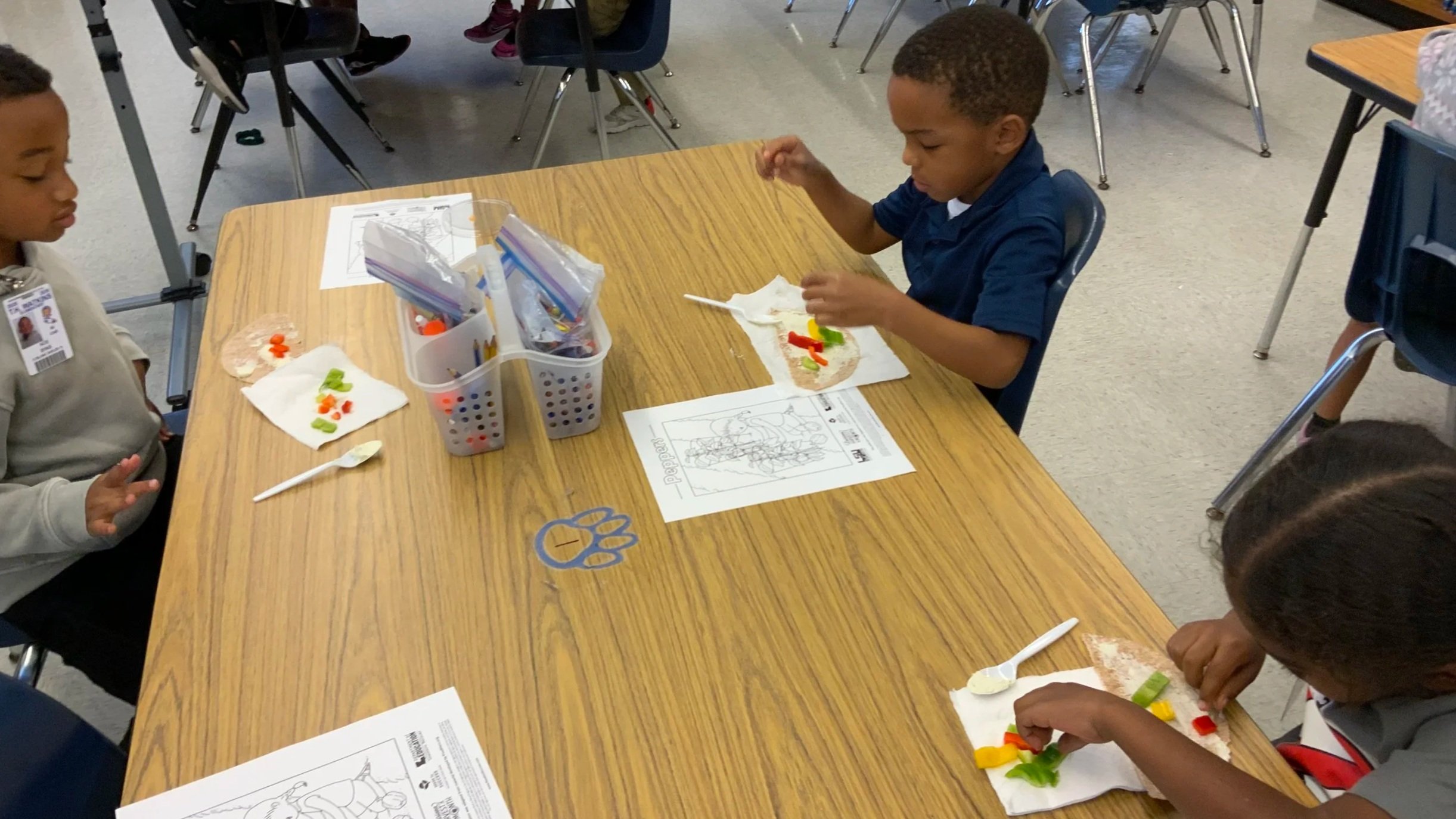
Ms. Latonya Henderson-Harris’ Class Exploring Veggie Ready Activity: 🌈 Rainbow Wraps with Peppers!
How Tasting Lettuce Turns Into Literacy
Research shows that early exposure to hands-on cooking supports child development and health. But it also plays a powerful role in building literacy skills, from reading recipes and following directions to developing vocabulary and expressing opinions.
Through the Veggie Ready Program, literacy connections show up in both expected and surprising ways. Students build vocabulary by describing taste and texture. They practice sequencing through recipes. And they gain confidence expressing their preferences.
For Ms. Latonya, one moment stands out: During a tasting activity, a student discovered he liked red apples after trying different varieties at school. At pickup, his parent shared her surprise – she thought he didn’t like apples at all. The student was able to clearly explain why: “I like red apples because they are sweet.” That kind of language development is exactly what literacy growth looks like.
The impact goes beyond the lesson itself. Students are more engaged with books, especially those connected to food and cooking. “Kids loved the books so much, they started checking them out constantly,” she says. “Teachers noticed too – and began using them in their own classrooms.”
Veggie Ready Standards Connections
Veggie Ready programming supports early literacy standards in these 7 ways:
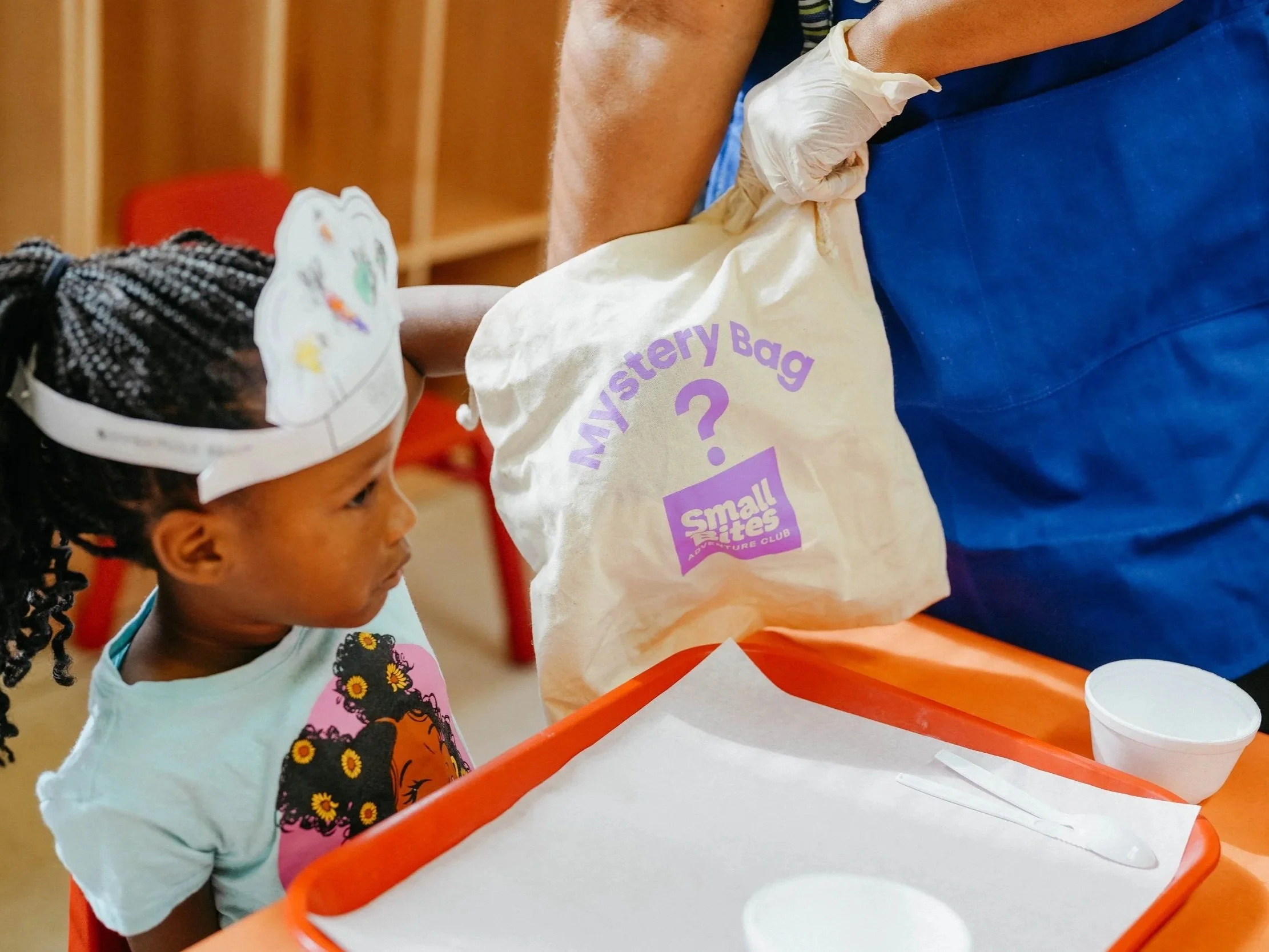
Listening & Speaking:
Children listen and respond to conversations and group discussions through activities like the Mystery Bag Lesson and circle time Book Club.
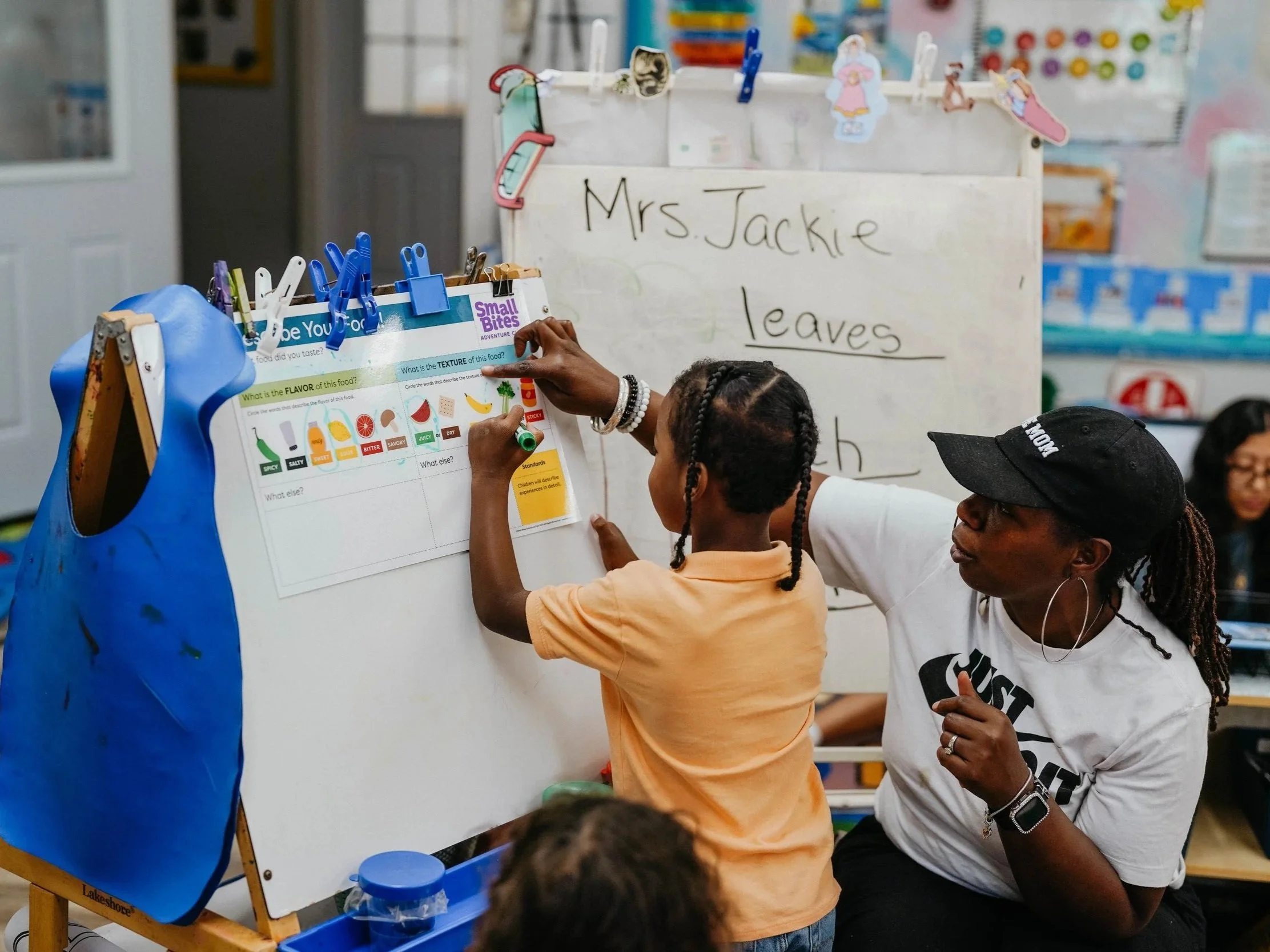
Classification & Critical Thinking:
Children sort and classify objects using attributes such as taste, texture, and color during tools like the Descriptive Word Chart and Taste Test Survey.
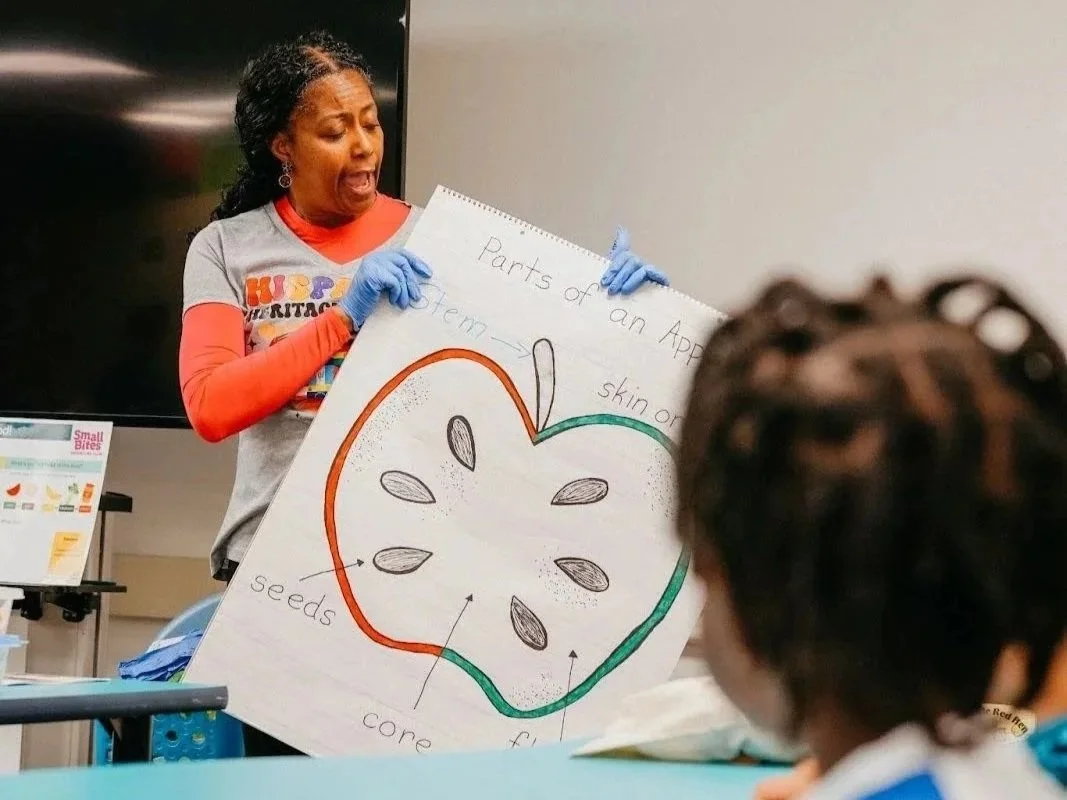
Vocabulary Development:
Students build and apply new vocabulary introduced through hands-on activities, book discussions, and circle time.
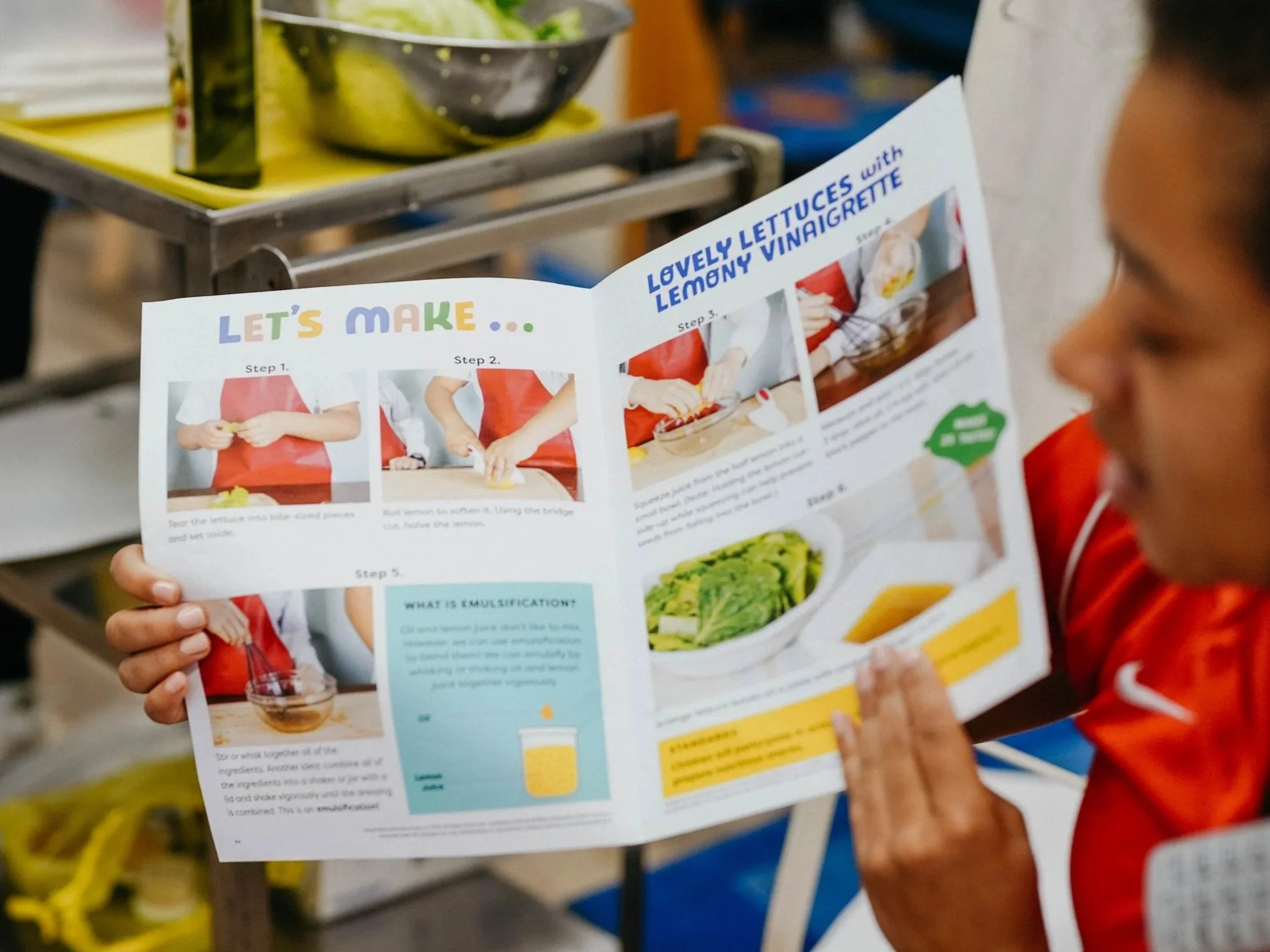
Sequencing & Comprehension:
Children recognize and describe sequences of events by following and discussing steps in the Recipe Booklet.
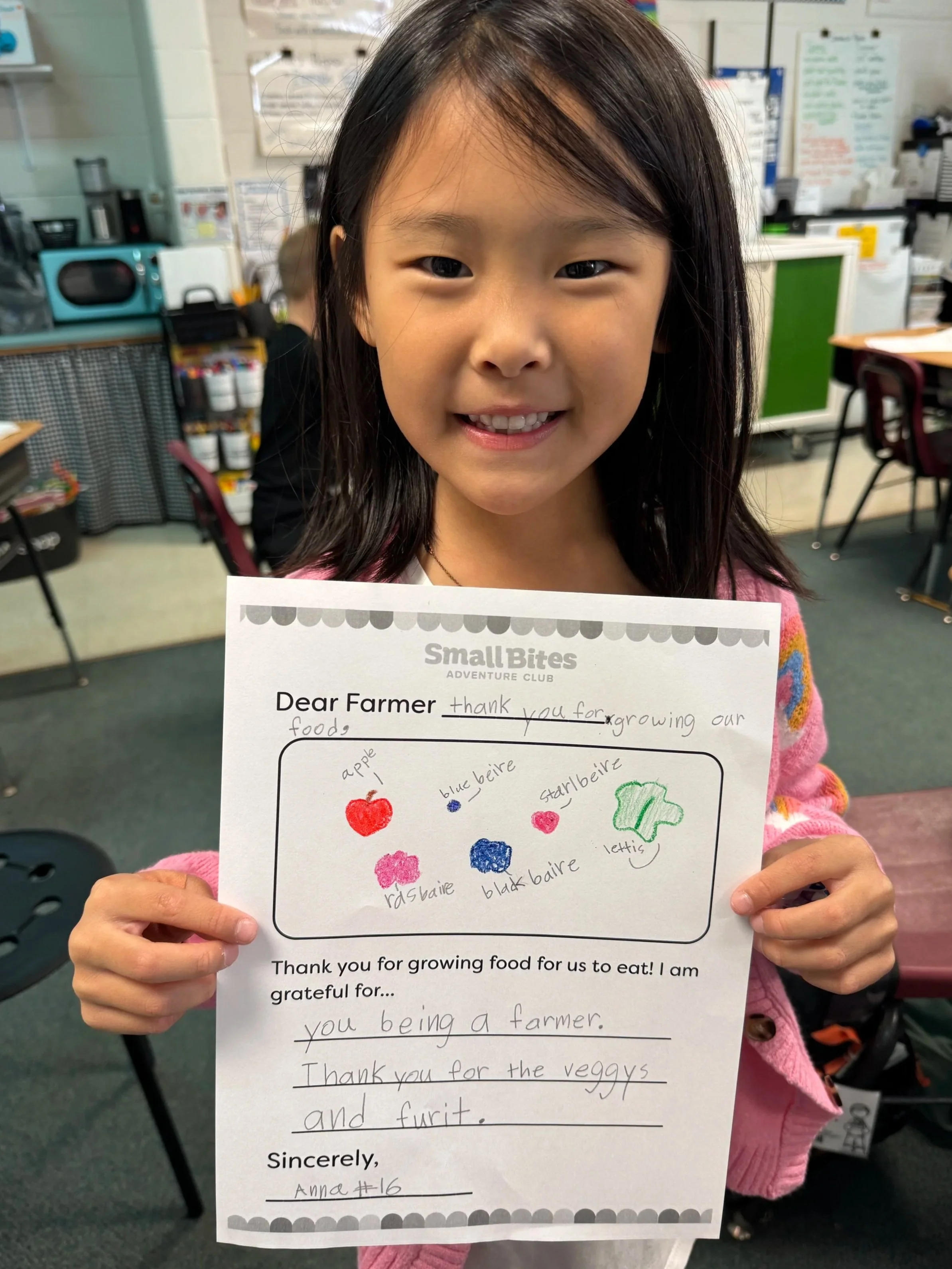
Content Knowledge - Science Connections:
Students explore plants, food systems, and where food comes from through the Recipe Booklet, Thank You Farmers activity, and Meet the Farmer videos.
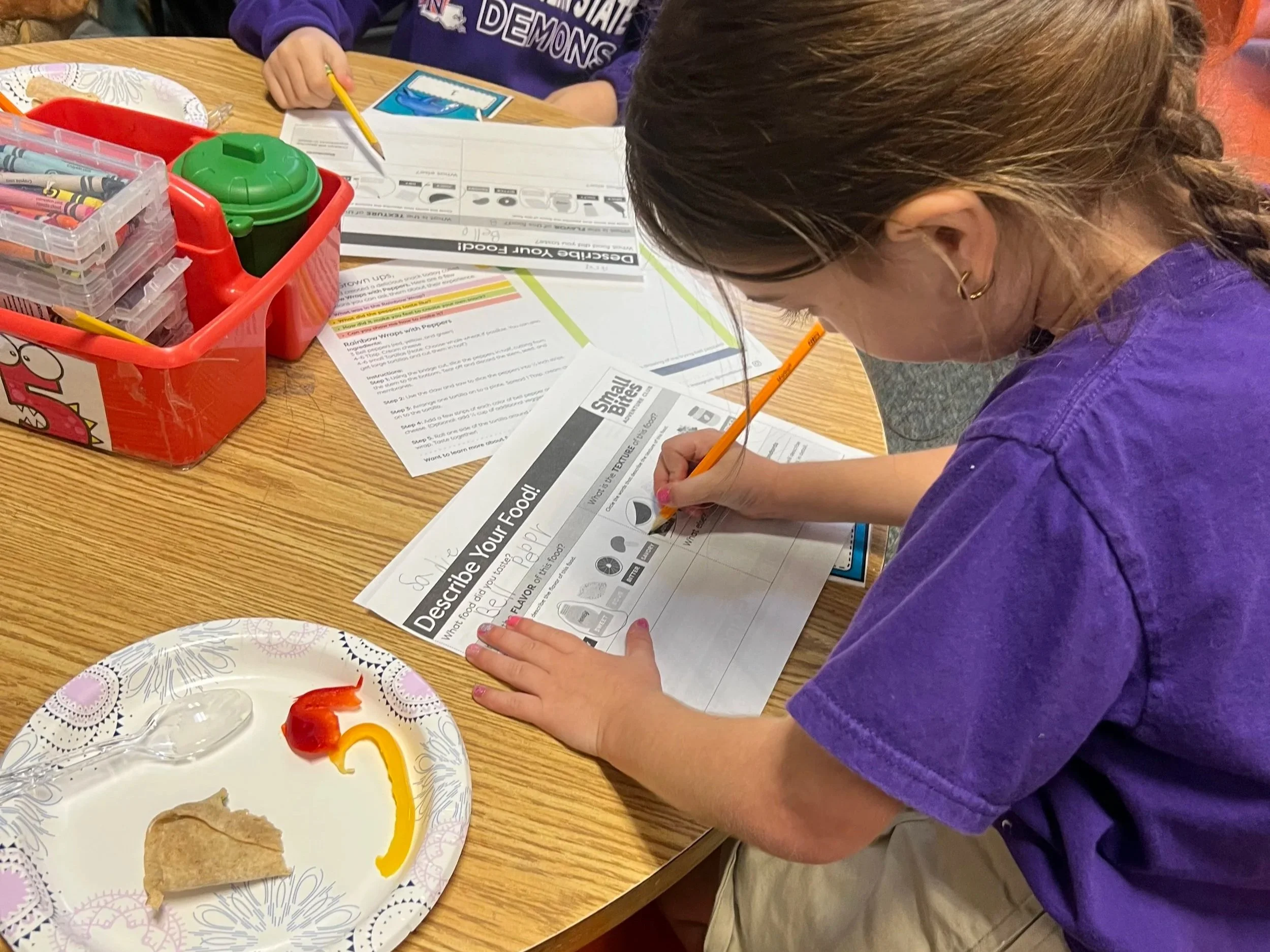
Writing & Expressions:
Children use drawing, dictation, and writing to express ideas through activities like the Family Recipe Card, Taste Test Survey, and skill-based lessons.
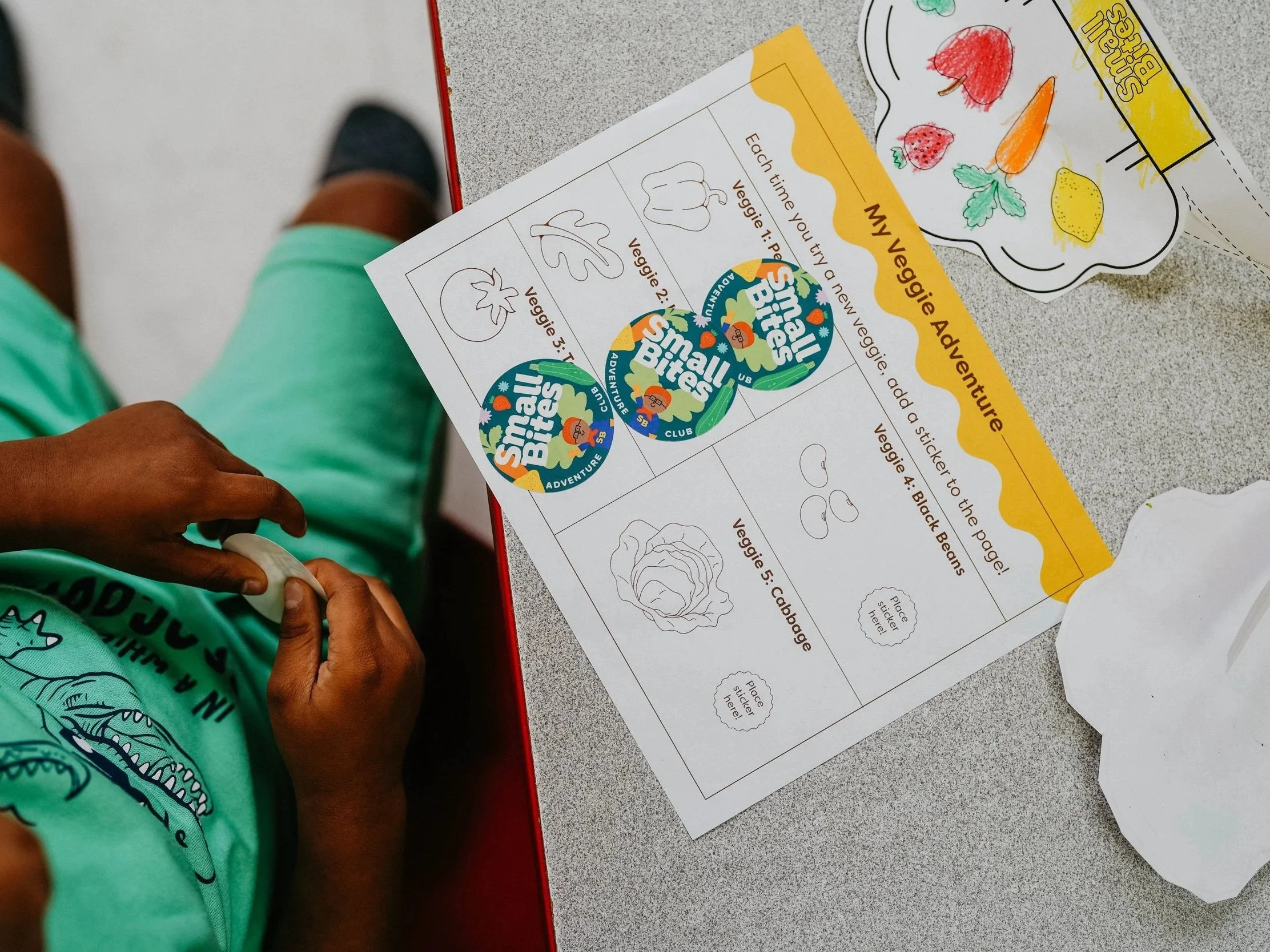
Describing & Communications:
Students describe their experiences, preferences, and observations using structured tools like the Descriptive Word Chart and Family Recipe Card.
Learn More
Want to dig deeper into the connection between cooking and literacy? Check out this article by Scholastic on “6 Ways Cooking With Kids Can Boost Literacy Skills”.